What you need to know about measles
What you need to know about measles
Since the COVID-19 pandemic, measles cases have been rising – and the Illawarra Shoalhaven is not immune.
Disruptions to vaccination services during the pandemic reduced coverage globally and several countries, including Canada and the UK, have now lost their World Health Organisation (WHO) verified measles elimination status. The US looks soon to follow.
NSW has active measles alerts due to increased virus circulation with multiple public exposure sites listed by NSW Health, including Illawarra Shoalhaven. Most cases involve under-vaccinated adults between 32-59, with risks in emergency departments and public spots (e.g. supermarkets).
What to look for
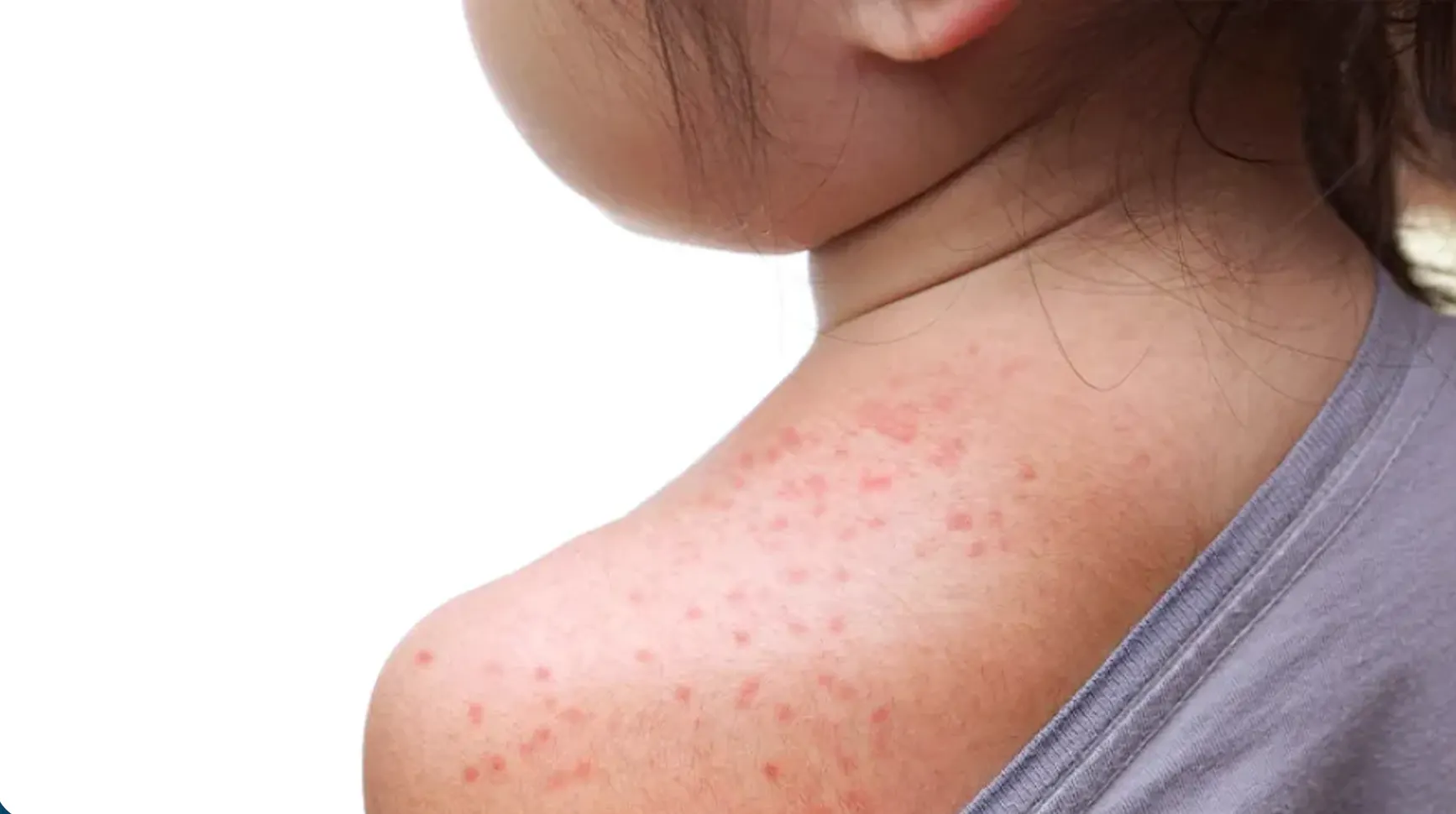
Measles typically begins with a few days of high fever, cold-like symptoms, red watery eyes and a sore throat. Tiny white spots inside the mouth are an early clue. A red blotchy non-itchy rash then appears on the face and neck before spreading down to the feet.
Around 32% of recent NSW cases also experienced gastro symptoms such as diarrhoea. Complications can be serious — including pneumonia, encephalitis and in rare cases long-term neurological damage.
How it spreads
Measles is one of the most contagious infections known. It spreads through respiratory droplets and can remain in the air and on surfaces for up to two hours.
A person is infectious from one day before symptoms appear until four days after the rash begins. Covering your mouth when coughing and disinfecting contaminated surfaces helps prevent spread.
Are you protected?
Full protection requires two doses of the MMR vaccine (measles, mumps and rubella) at least four weeks apart.
Please note: MMR is a live vaccine and is not suitable for some people with an immune deficiency. Please discuss this with your doctor.
Here is a quick guide to where you stand:
- Born before 1966 — you likely have natural immunity from circulating virus and do not need a booster
- Born 1966–1994 — you may have received only one dose; check with your GP as a free booster may be available to you
- Born after 1994 — two doses are standard under the National Immunisation Program and you are most likely fully protected
Travelling overseas? Make sure your vaccinations are up to date before you go. Infants aged 6-12 months can receive an early dose if travel is planned though they will still need two further doses for full long-term immunity.
If you are unsure of your vaccination history or have concerns about measles symptoms book an appointment with your GP or check with theAustralian Immunisation Register.
For up-to-date exposure sites and public health advice, visit NSW Health at www.health.nsw.gov.au.
Explore Our Recent Posts
Stay informed with our latest insights and updates.

Supporting Teen Health: From Screen Time to Sports Safety

Check up with Bulli Travel Medical Alliance Clinic